

Why Influencer Marketing Budgets Shifting Back to Authentic Creator-Led Content in 2026
The South African marketing landscape is witnessing a significant recalibration of digital budgets. Penquin, a leading brand and communications agency, has identified a decisive shift back toward creator-led content, as audiences increasingly reject high-gloss, brand-first campaigns in favour of relatability and cultural nuance.
As digital noise reaches an all-time high, the “influence” of a creator is no longer being measured by the size of their following, but by the depth of their community connection.
The Death of the “Polished” Ad
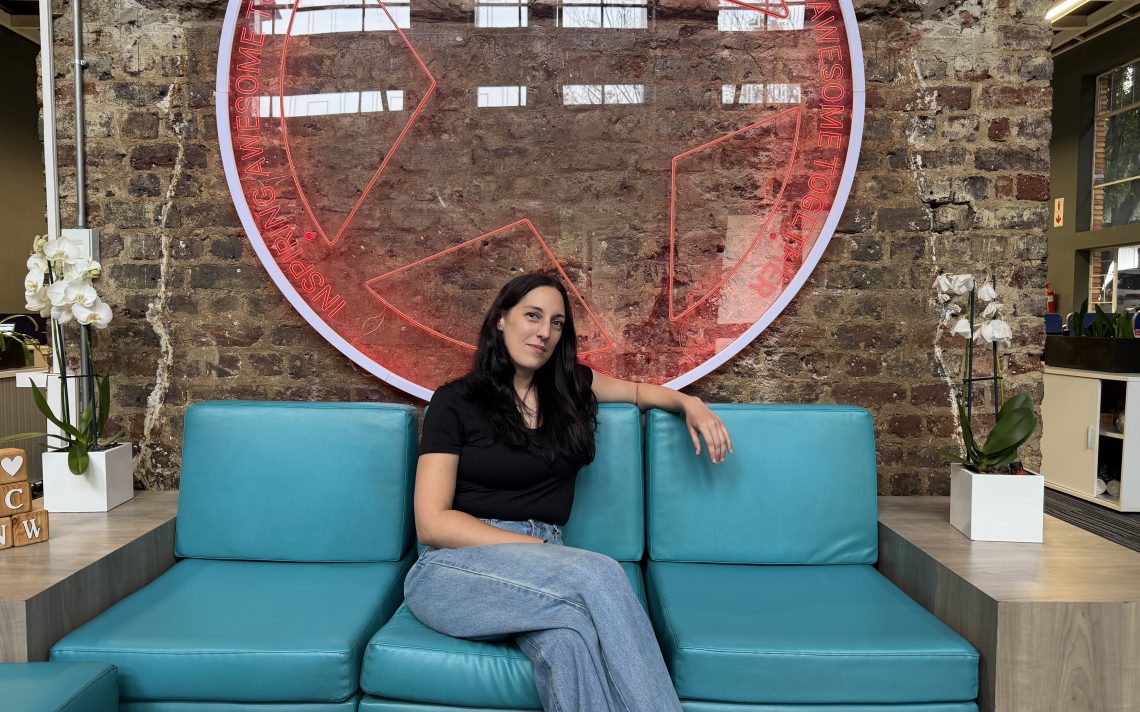
According to Michelle Swart, Head of Digital and Social Media at Penquin, the move toward raw, unfiltered content is a direct response to a more sophisticated and sceptical consumer base.
“Influencer budgets are shifting back to creator-led content because people connect more with content that feels real and relatable,” says Swart. “South African audiences are highly community-driven. Creators who speak authentically, often in local languages or within specific cultural spaces, tend to build stronger trust and engagement than polished, brand-first campaigns.”
This shift highlights a growing preference for smaller and mid-tier creators. Unlike celebrity-tier influencers, these creators often occupy a space that feels closer to the “everyday life” of their followers, making their endorsements feel like a recommendation from a friend rather than a paid placement.
“It’s not just about visibility anymore,” Swart explains. “It’s about relatability. Audiences want to see themselves reflected in the content they consume, and creators are uniquely positioned to do that in a way that brands alone often can’t.”
Relevance is the New Reach
In the South African context, the “one-size-fits-all” approach to digital storytelling is becoming obsolete. The most successful campaigns in 2026 are those that lean into the specific cultural intelligence of the creator.
Interestingly, smaller and mid-tier creators are emerging as particularly powerful partners for brands. While they may not have the largest followings, their content often feels more personal and closer to everyday life, resulting in higher levels of engagement and credibility.
“What we’re seeing is that influence isn’t only about scale,” Swart adds. “It’s about connection. Smaller creators tend to have more engaged communities, and that translates into more meaningful interactions and, ultimately, better outcomes for brands.”
What sets the South African market apart is the depth of understanding that creators have of their audiences. This local insight allows them to craft content that feels natural, culturally relevant, and aligned with how their communities communicate and consume media.
For brands, this means a shift in mindset, from control to collaboration. “The most successful campaigns are the ones where brands trust creators to do what they do best,” Swart continues. “When creators are given the space to tell stories in their own voice, the content performs better because it doesn’t feel forced or overly scripted.”
This trend marks a significant evolution from the macro-influencer-heavy strategies that dominated recent years. Penquin is advising clients to adopt a more balanced 2026 influencer strategy: combining micro, mid-tier, and macro creators to deliver both authentic engagement and scalable reach.
The message for 2026 is clear: in an increasingly sceptical media landscape, authenticity and cultural resonance are the new currency of influence.