



Rural water bear the brunt of Africa’s Deeping water of scarcity
WDT Trust helps alleviate water scarcity in rural communities of Limpopo Province
As this year’s Africa Month highlights the continent’s water and sanitation crisis, the Women Business Development Trust is urging immediate, measurable action to ensure that promises made to poor and vulnerable communities are fulfilled.
This year’s African Union theme, Assuring Sustainable Water Availability and Safe Sanitation Systems to Achieve the Goals of Agenda 2063, comes at a time when millions of people in Africa, especially in rural areas, still lack reliable access to clean water and safe sanitation.
Through its Zenzele Development Programme (ZDP), the WDB Trust is already helping to alleviate water scarcity in rural communities such as Matangari in Thulamela Municipality, Vhembe District, where 4,062 residents were identified as facing severe water shortages. Working in partnership with Innovation Africa, ZDP supported a targeted water intervention for a community where women and children had to travel long distances to fetch water from a contaminated source that often dried up during drought periods.
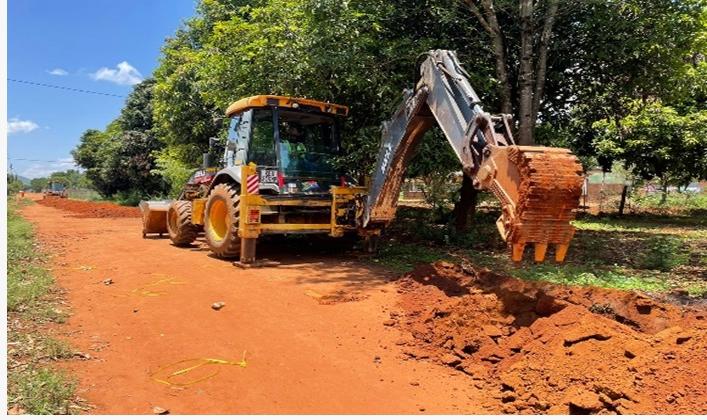
Exploratory drilling confirmed substantial groundwater reserves, making it possible to expand the original scope of the project and provide a borehole system that now serves four villages — Tshiumoni, Tshitakani, Thondoni and Tshiawelo. The project also created temporary local employment, supported community participation, and strengthened local capacity to help ensure long-term sustainability.
Water insecurity remains one of Africa’s most pressing development challenges. It impacts health, education, food security, and the dignity of millions. Women and girls in rural areas feel the effects most acutely, spending hours collecting water, missing school, and facing increased safety and health risks.
“These risks and the experiences of those affected make water scarcity a public health, gender equality, and economic justice issue that we need to address urgently,” says Riah Phiyega, CEO of the WDB Trust.
While progress has been made, water and sanitation in Africa have not kept pace with population growth. According to the World Bank, water access has not matched demographic changes. More than 803 million people still lack basic sanitation. “What is concerning is that words of reassurance often do not lead to action. This needs to change because the situation is critical, especially in rural communities,” she added.
The WDB Trust calls on governments, municipalities, the private sector and development partners to speed up investment in water infrastructure. It also urges increased investment in sanitation systems and community-led solutions. These interventions must create lasting change, particularly in underserved and rural areas.
As part of its advocacy efforts, WDB Trust aims to ensure that women’s voices lead discussions on issues like the severe lack of access to water through the African Women in Dialogue platform.
“Water and sanitation are not secondary issues. They are central to human dignity, community well-being, and Africa’s future development. Without them, the goals of Agenda 2063, particularly from a gender perspective, will remain out of reach for many,” Phiyega concludes.