



The Hyding Is Reshaping How Performance Is Sustained
Performance, in any form, comes at a cost.
Whether in entertainment, media, production or the broader creative economy, the expectation to deliver consistently has created a culture where output is prioritised, often at the expense of recovery. Long hours, irregular schedules and the pressure to remain relevant mean that rest is frequently treated as optional rather than essential.
But that thinking is beginning to shift.
There is a growing recognition that sustainability is not accidental. It is built. And more importantly, it requires structure.
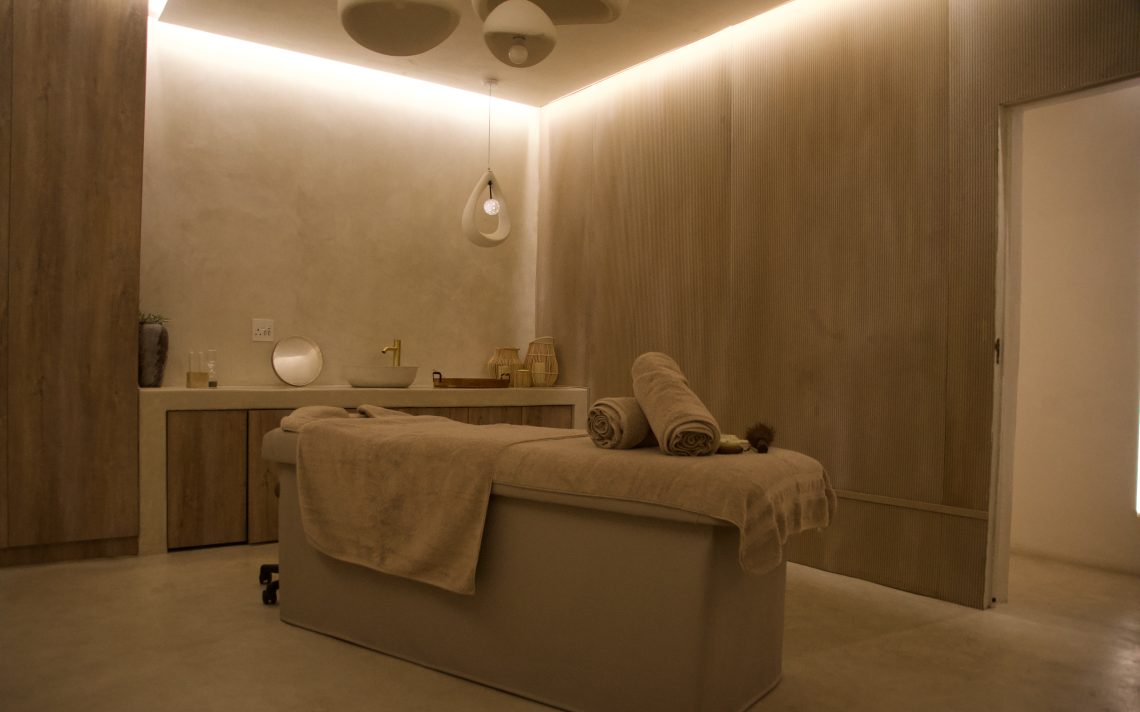
This is where The Hyding begins to introduce a different kind of conversation. Positioned as both a spa and wellness centre, it moves beyond the idea of relaxation as a luxury and reframes it as part of a broader performance strategy.
The distinction is subtle, but important.
The experience is not designed for quick relief. It is designed to support recalibration. Treatments unfold gradually, allowing the body to release tension in a way that feels guided rather than forced. Sensory elements shift with intention, creating a rhythm that encourages stillness without disconnecting entirely from awareness.
It is controlled.
And that sense of control mirrors the kind of discipline required in high-performance environments.
What makes The Hyding particularly relevant in this context is its integrated approach. Rather than isolating wellness into a single experience, it brings together multiple disciplines that collectively support performance over time.
Biokinetics, chiropractic care, nutrition, reformer pilates, narrow light therapy and dietetics, psychology and advanced skin therapy are all part of the offering, forming a system that acknowledges that performance is not just physical. It is mental. It is emotional. It is cumulative.
It also places The Hyding within what can be considered a rare category within South Africa’s wellness landscape, where preventative, personalised care is prioritised over reactive treatment.
For Khathutshelo Mukwevho, who leads the space, this approach is informed by her exposure to international wellness environments, where recovery is often built into the rhythm of demanding industries.
“In many of the spaces I’ve worked in, wellness is part of how people operate,”
she explains.
“It supports how they perform, not just how they recover.”
That distinction is becoming increasingly relevant locally.
Because across industries, there is a growing awareness that burnout is not simply a personal challenge. It is a structural one. And without systems in place to support recovery, performance inevitably declines.
The Hyding responds to this with both design and functionality.
Facilities such as a heated indoor pool, sauna and dedicated relaxation areas provide space for physical recovery, while a curated food and beverage offering reinforces the role of nutrition in sustaining energy. The environment itself remains calm, private and intentionally paced, allowing individuals to step out of intensity without leaving the city entirely.
More importantly, it introduces the idea that recovery does not need to be reactive.
It can be built into the process.
“The intention is to create something that people can return to consistently,”
Mukwevho says.
“A space that evolves with what they need, physically and mentally.”
In performance-driven industries, that kind of consistency is often the difference between short-term output and long-term sustainability.
Because staying at your best is not just about how much you can do.
It is about how well you recover in between.