



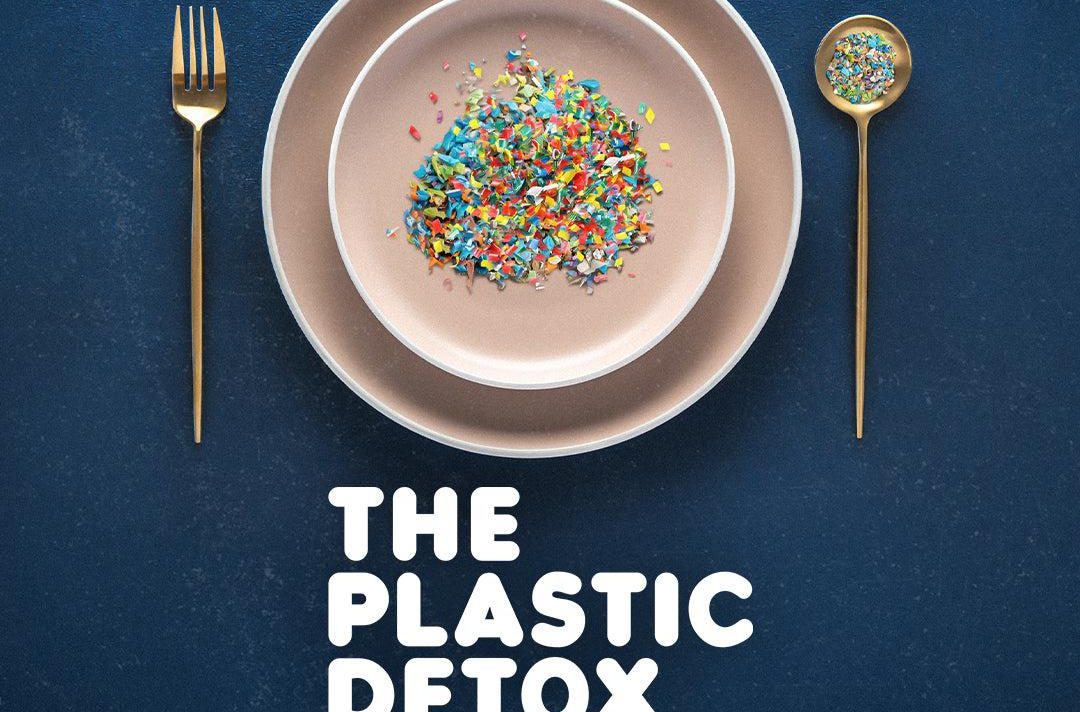
What If the Plastic Around You Was Affecting More Than the Planet? New Documentary Sparks Urgent Questions About Health, Fertility, and Everyday Life
Plastic is everywhere, it is in what we eat, what we wear, what we store our food in, and what we use on our bodies. It has become so normal, so embedded in daily life, that most of us rarely stop to question it. But what if we should? A powerful new documentary featured on Netflix, The Plastic Detox, is challenging audiences to rethink their relationship with plastic, not just as an environmental issue but as a deeply personal one that could be impacting human health in ways we are only beginning to understand.
At its core, the documentary explores a simple but confronting question: “What would it actually take to remove plastic from everyday life?” Through the lived experiences of individuals, and more intimately, couples, The Plastic Detox follows married couples trying to conceive as they attempt to reduce their exposure to plastic. What unfolds is a journey marked by frustration, surprise, and growing awareness. From food packaging and clothing to household items and personal care products, plastic reveals itself as nearly impossible to eliminate. Yet it is not just the pervasiveness of plastic that makes this documentary so compelling.
One of the film’s most thought-provoking narratives explores the potential link between exposure to plastic and fertility. By following couples navigating their fertility journeys, The Plastic Detox brings a human lens to a topic that is often discussed in abstract scientific terms. The documentary touches on growing research around chemicals found in plastics, such as endocrine disruptors, and how they may influence hormonal balance and reproductive health.
Importantly, the film does not present definitive conclusions. Instead, it invites viewers into an evolving conversation, grounding scientific enquiry in real human experiences rather than alarmist claims. This shift transforms plastic from a distant environmental concern into something far more immediate and personal.
As participants begin to question their everyday plastic consumption habits, the documentary highlights a deeper truth, that plastic is not simply a matter of individual choice. Avoiding it proves complex, expensive, and, in many cases, unrealistic without significant lifestyle changes. This raises broader questions about systemic reliance on plastic and the structures that make it so difficult to escape.
The documentary also explores the growing presence of microplastics and the subtle ways they enter our bodies through food, water, and everyday products. While research continues to develop, The Plastic Detox encourages awareness over fear, curiosity over certainty, and making changes wherever possible. Emotionally, the journey is just as impactful as the information presented. Moments of discomfort, reflection, and even hope emerge as participants confront the gap between what is cheaper and what may be healthier in the long term.
Rather than offering extreme solutions, The Plastic Detox reframes the idea of a “detox.” It is not about eliminating plastic entirely, but about becoming more conscious about everyday consumption choices. It is about noticing what was once invisible, questioning what was once routine, and making better choices where possible. It is about making the invisible visible, questioning familiar routines, and choosing better where possible.
As global conversations around sustainability and human health continue to evolve, this documentary arrives at a pivotal juncture. It challenges you and I to look beyond pollution and waste, and to consider the quieter, more invisible ways plastic may be shaping our lives, our bodies, and potentially, our future families.
The question is no longer just what plastic is doing to the planet, it’s what it might be doing to each and every person. The Plastic Detox is now streaming on Netflix, and while the answers may not yet be clear, the questions it asks demand attention.